



PDE2
Phosphodiesterase 2A (PDE2A) is a dual-substrate cyclic nucleotide phosphodiesterase that hydrolyzes both cAMP and cGMP and functions as a key regulator of intracellular cyclic nucleotide signaling networks.[1] A defining feature of PDE2A is its allosteric activation by cGMP through the GAF-B regulatory domain, which enhances catalytic activity and enables bidirectional crosstalk between cGMP and cAMP signaling pathways.[2][3] Through this mechanism, PDE2A influences diverse biological processes including synaptic plasticity, neuronal signaling, mitochondrial function, cardiac remodeling, and cellular stress responses.[3][4][5] Mechanistically, PDE2A controls localized cyclic nucleotide microdomains and thereby regulates downstream protein kinase signaling pathways that govern cellular adaptation and homeostasis.[3][5] In disease-related experimental models, altered PDE2A activity has been associated with heart failure, pulmonary hypertension, neurodegenerative disorders, and cognitive dysfunction, highlighting its importance in pathological cyclic nucleotide signaling.[6][7][8] Inhibition of PDE2 enhances neuronal cGMP signaling, promotes synaptic plasticity, and improves memory performance in preclinical studies. Compared with related phosphodiesterase families, PDE2A is unique because cGMP stimulates rather than inhibits its catalytic activity, allowing it to function as a central mediator of cAMP-cGMP signaling integration.[2][3] The PDE2A gene generates multiple isoforms, including PDE2A1, PDE2A2, and PDE2A3, which differ primarily in their N-terminal targeting sequences and subcellular localization rather than catalytic properties.[2][4] Notably, PDE2A2 localizes to mitochondria and regulates mitochondrial respiration, morphology, and mitophagy, distinguishing it from other PDE2A isoforms.[4][5] For experimental applications, selective PDE2 inhibitors such as BAY 60-7550 are widely used to investigate cyclic nucleotide compartmentalization, neuroplasticity, cardiovascular signaling, and mitochondrial regulatory mechanisms.[7]
References:
- [1]. Uniprotkb.
- [2]. Sciencedirect.topics.
- [3]. Zaccolo M, et al. cAMP and cGMP signaling cross-talk: role of phosphodiesterases and implications for cardiac pathophysiology. Circ Res. 2007;100(11):1569-1578.
- [4]. Acin-Perez R, et al. A phosphodiesterase 2A isoform localized to mitochondria regulates respiration[J]. Journal of Biological Chemistry, 2011, 286(35): 30423-30432.
- [5]. Baliga RS, et al. Phosphodiesterase 2 inhibition preferentially promotes NO/guanylyl cyclase/cGMP signaling to reverse the development of heart failure. Proc Natl Acad Sci U S A. 2018 Jul 31;115(31):E7428-E7437. [Content Brief]
- [6]. Bubb KJ, et al. Inhibition of phosphodiesterase 2 augments cGMP and cAMP signaling to ameliorate pulmonary hypertension. Circulation. 2014 Aug 5;130(6):496-507. [Content Brief]
- [7]. Ruan L, et al. Phosphodiesterase-2 Inhibitor Bay 60-7550 Ameliorates Aβ-Induced Cognitive and Memory Impairment via Regulation of the HPA Axis. Front Cell Neurosci. 2019 Oct 2;13:432. [Content Brief]
All Product Categories
-
PDE2 Related Products (51)
Related Products (51)

-
EHNA hydrochloride
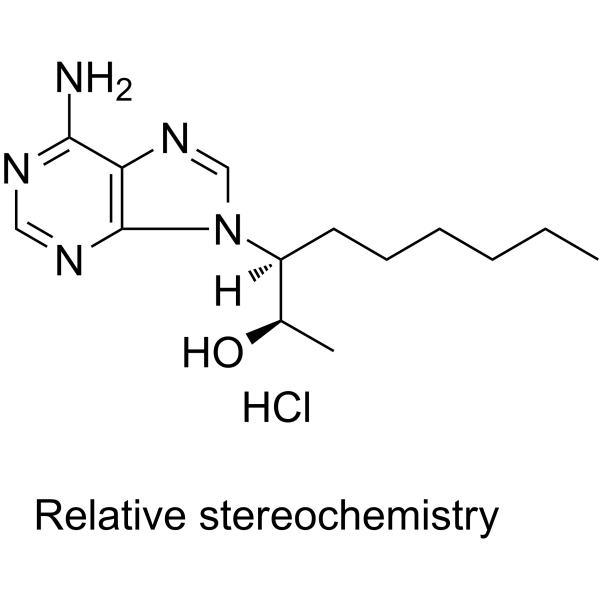 0 ImagesEHNA hydrochloride is a potent and selective dual inhibitor of cyclic nucleotide phosphodiesterase 2 (PDE2)(IC50=4 μM) and adenosine deaminase (ADA). EHNA hydrochloride exerts a concentration inhibition of the cGMP-stimulated PDE II (cGs-PDE)(IC50:0.8 μM (human), 2 μM (porcine myocardium)), but has smaller inhibitory effect on the unstimulated PDE2 activity. EHNA hydrochloride play roles in mediating diverse pharmacological responses, including antiviral, antitumour and antiarrhythmic effects.
-
Avanafil
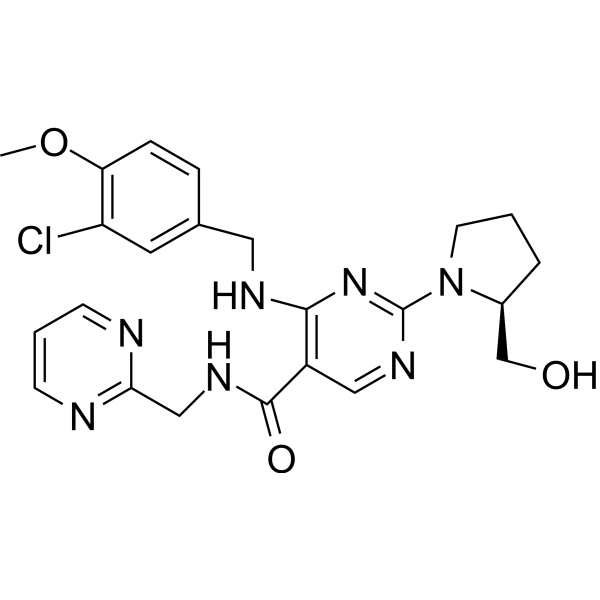 0 ImagesSynonyms: TA1790Avanafil (TA-1790) is a potent and selective phosphodiesterase-5 (PDE-5) inhibitor with IC50 values of 5.2 nM, 630 nM, 5700 nM, 6200 nM, 12000 nM, 27000 nM, 51000 nM and 53000 nM for PDE-5, PDE-6, PDE-4, PDE-10, PDE-8, PDE-7, PDE-2 and PDE-1, respectively. Avanafil activates NO/cGMP/PKG signaling-pathway to decrease loss in BMD, bone atrophy, and oxidative stress. Avanafil inhibits cyclic guanosine monophosphate (cGMP) hydrolysis and thus increases cGMP levels. Avanafil can be used for the research of erectile dysfunction and osteoporosis.
-
PF-05180999
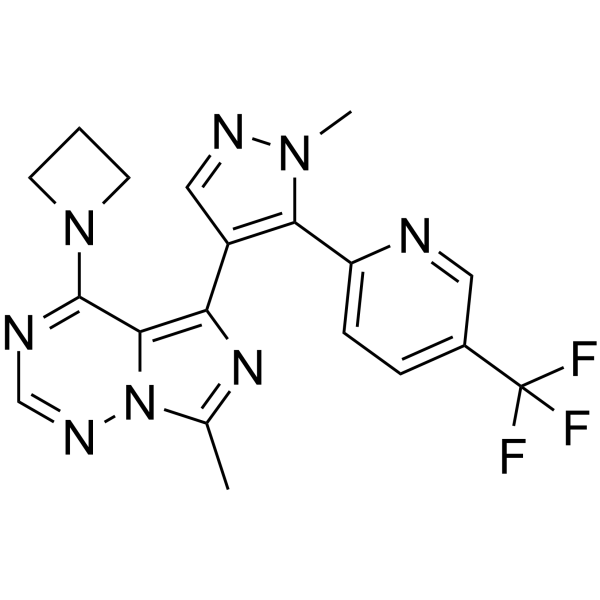 0 ImagesSynonyms: PF-999PF-05180999 (PF-999) is a phosphodiesterase 2A (PDE2A) inhibitor, with an IC50 of 1.6 nM.
-
Piclamilast
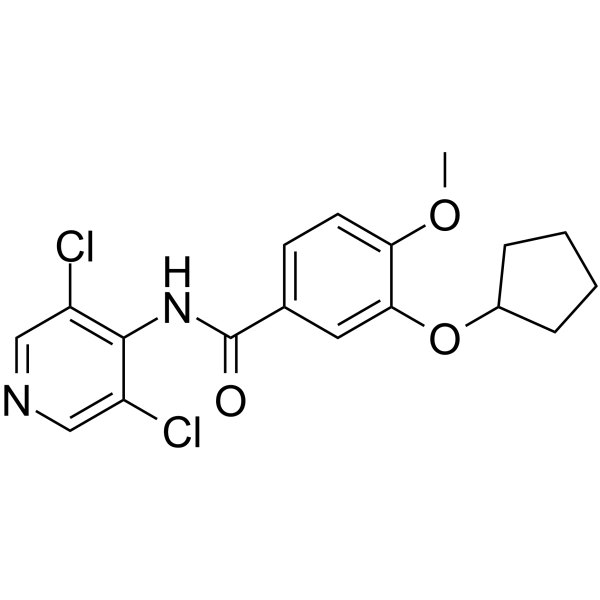 0 ImagesSynonyms: RP 73401; RPR 73401Piclamilast (RP 73401) is a phosphodiesterase 4 (PDE4) inhibitor, with IC50 values of 16 nM and 2 nM in pig aorta and eosinophil soluble, respectively.
-
Olprinone
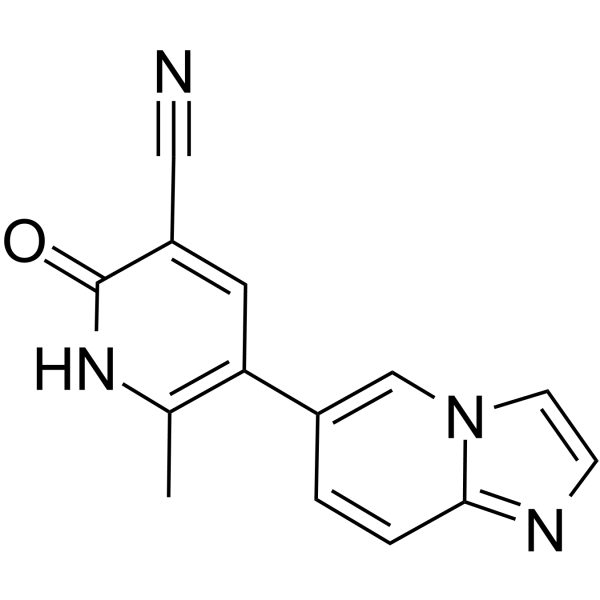 0 ImagesSynonyms: LoprinoneOlprinone (Loprinone) is a potent and selective phosphodiesterase 3 (PDE3) inhibitor, with IC50 values of 150, 100, 0.35, and 14 μM against PDE1, PDE2, PDE3, and PDE4, respectively. Olprinone exerts comprehensive protective effects including anti-inflammatory, antioxidant, and anti-apoptotic activities by elevating intracellular cAMP levels and inhibiting the NF-κB and MAPK signaling pathways. Olprinone can be used in studies related to lung injury, spinal cord injury, heart failure, myocardial ischemia-reperfusion injury, and cerebral ischemic injury.
-
Morcamilast
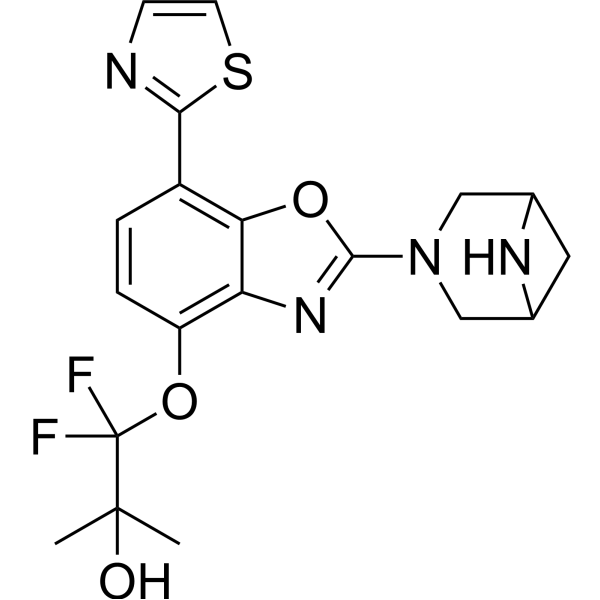 0 ImagesSynonyms: ME3183; PDE4-IN-14Morcamilast (ME3183) is a potent, orally active, selective phosphodiesterase 4 (PDE4) inhibitor, with IC50 values of 1.28 nM, 2.33 nM and 1.63 nM against human PDE4A1A, PDE4B1 and PDE4D2, respectively. Morcamilast inhibits the production of TNF-α, IL-12/23p40, IL-23, IL-17A, IL-4, IL-5 and IL-13 in human PBMCs and T cells, and alleviates chronic Oxazolone (HY-126360)-induced dermatitis, Substance P (HY-P0201)-induced pruritus, Imiquimod (HY-B0180)-induced psoriasis-like dermatitis and LPS (HY-D1056)-induced arthritis. Morcamilast is used for the research of psoriasis, atopic dermatitis, psoriatic arthritis and other inflammatory and immune-related diseases.
-
NPD-001
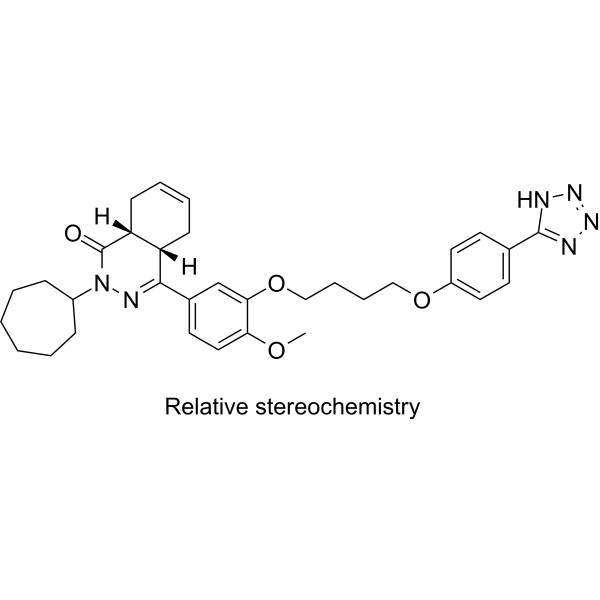 0 ImagesNPD-001 is a potent Trypanosoma brucei phosphodiesterases 1/2 (TbrPDEB1/2) inhibitor, with IC50 values of 4 and 3 nM, respectively. NPD-001 also inhibits hPDE4. NPD-001 can increase cAMP levels in parasites, prevent cytokinesis, and cause the parasites to form multinucleated, multi-flagellated cells that eventually lyse. NPD-001 can be used for the research of infection.
-
Aristolochic acid D
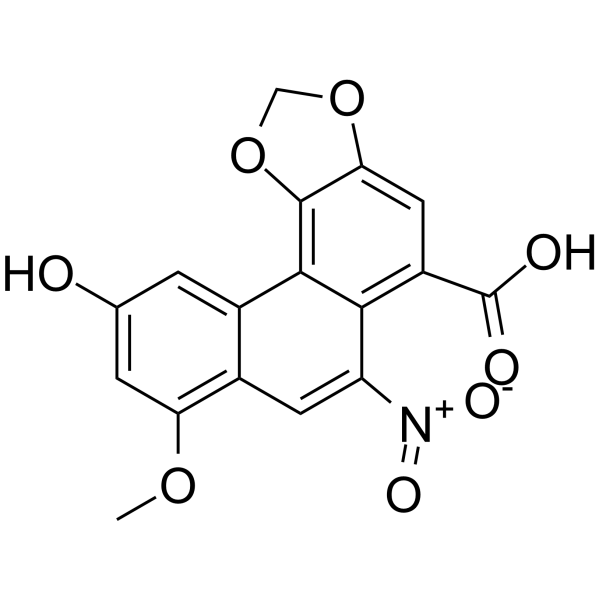 0 ImagesSynonyms: Aristolochic acid-IVaAristolochic acid D (Aristolochic acid-IVa) is an orally active PDE2 (IC50: 4.673 μM) and CDK2 (IC50: 25 μM) inhibitor that can be isolated from Aristolochia indica L. Aristolochic acid D exhibits anti-inflammatory activity and is non-carcinogenic and non-nephrotoxic. Aristolochic acid D can be used in the research of inflammation and tumor-related diseases.
-
TAK-915
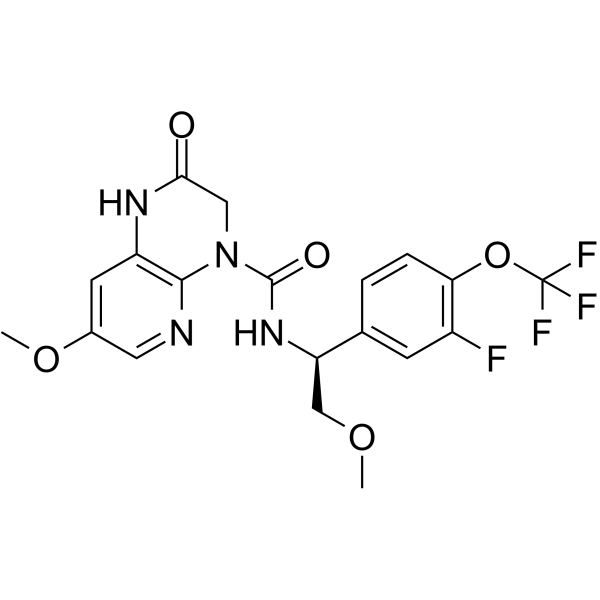 0 ImagesTAK-915 is a potent, selective, brain-penetrant and orally active phosphodiesterase 2A (PDE2A) inhibitor with an IC50 of 0.61 nM. TAK-915 is >4100-fold more selectivity for PDE2A than PDE1A. TAK-915 has the potential for neuropsychiatric and neurodegenerative disorders treatment.
-
Tofisopam
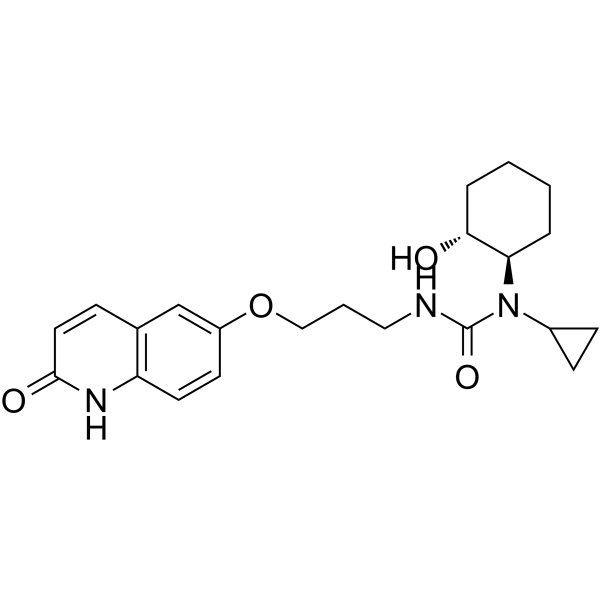
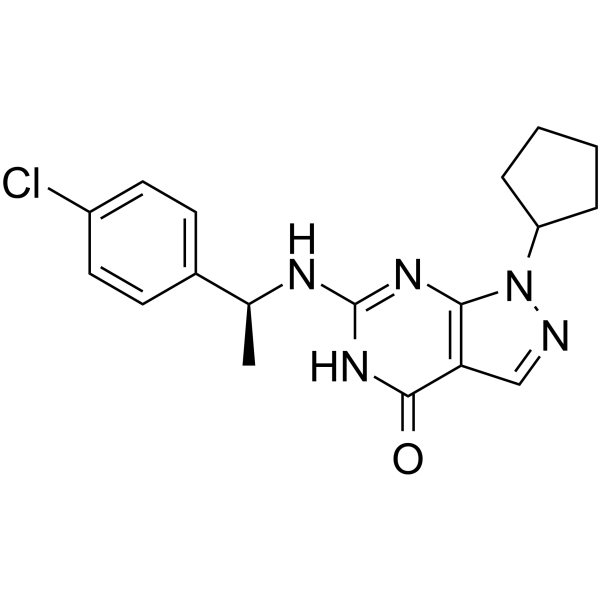
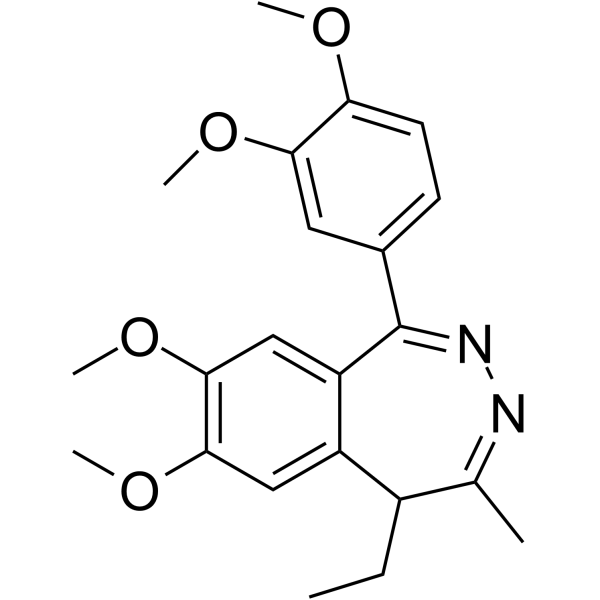 0 ImagesTofisopam, a 2,3-benzodiazepine compound, is an orally active anxiolytic agent. Tofisopam can inhibit phosphodiesterase PDE isoenzyme activity, withIC50 values of 2.11 μM, 1.98 μM, 0.42 μM, and 0.92 μM for PDE-2A3, PDE-3A, PDE-4A1, and PDE-10A1, respectively. Tofisopam can be used for the study of anxiety.
-
MBCQ
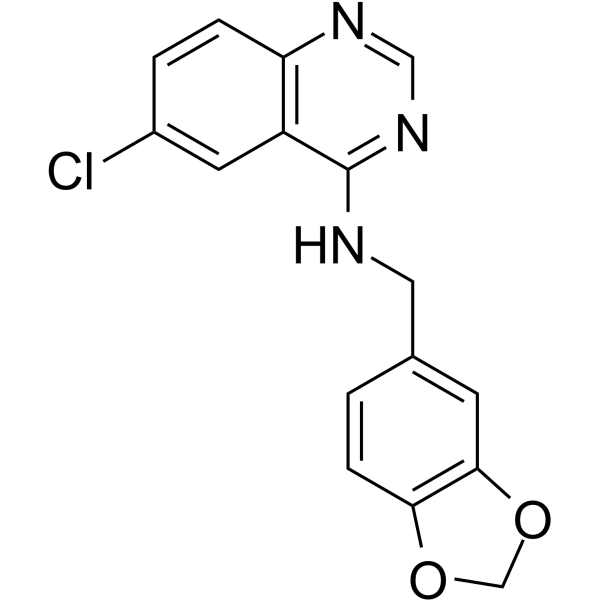 0 ImagesMBCQ is a potent and selective cGMP-specific phosphodiesterase (PDE V; PDE5) inhibitor with an IC50 of 19 nM. MBCQ lacks inhibitory activity toward other PDE isozymes (all IC50s>100 μM). MBCQ dilates coronary arteries via specific inhibition of cGMP-PDE.
-
Olprinone Hydrochloride
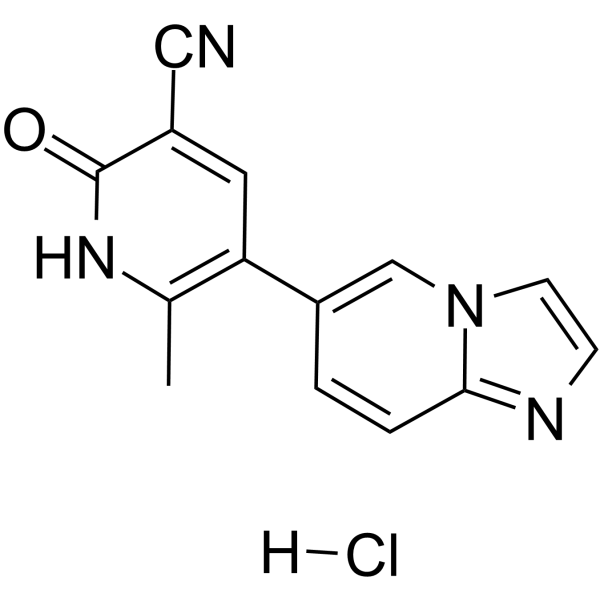 0 ImagesSynonyms: Loprinone HydrochlorideOlprinone (Loprinone) Hydrochloride is a potent and selective phosphodiesterase 3 (PDE3) inhibitor, with IC50 values of 150, 100, 0.35, and 14 μM against PDE1, PDE2, PDE3, and PDE4, respectively. Olprinone Hydrochloride exerts comprehensive protective effects including anti-inflammatory, antioxidant, and anti-apoptotic activities by elevating intracellular cAMP levels and inhibiting the NF-κB and MAPK signaling pathways. Olprinone Hydrochloride can be used in studies related to lung injury, spinal cord injury, heart failure, myocardial ischemia-reperfusion injury, and cerebral ischemic injury.
-
Hcyb1
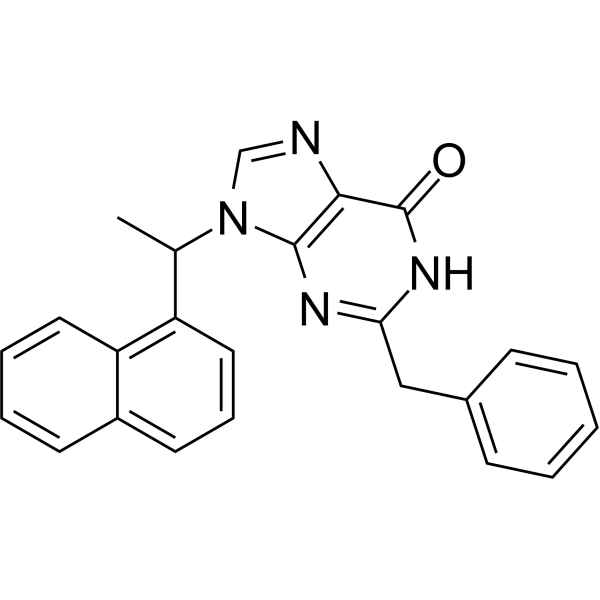 0 ImagesHcyb1 is a highly selective, orally active PDE2 inhibitor. Hcyb1 has a highly selective inhibition of PDE2A (IC50=0.57 μM) and over 250-fold selectivity against other recombinant PDE family members. Hcyb1 produces neuroprotective and antidepressant‐like effects most likely mediated by cAMP/cGMP-CREB-BDNF signaling.
-
PDE2A-IN-3
 0 ImagesPDE2A-IN-3 (Example Ic1) is a selective phosphodiesterase 2A (PDE2A) inhibitor with IC50s of 69 nM and 1762 nM for PDE2A and PDE10, respectively. PDE2A-IN-3 can be used for the study of neurological and psychiatric disorders.
-
RS-25344 hydrochloride
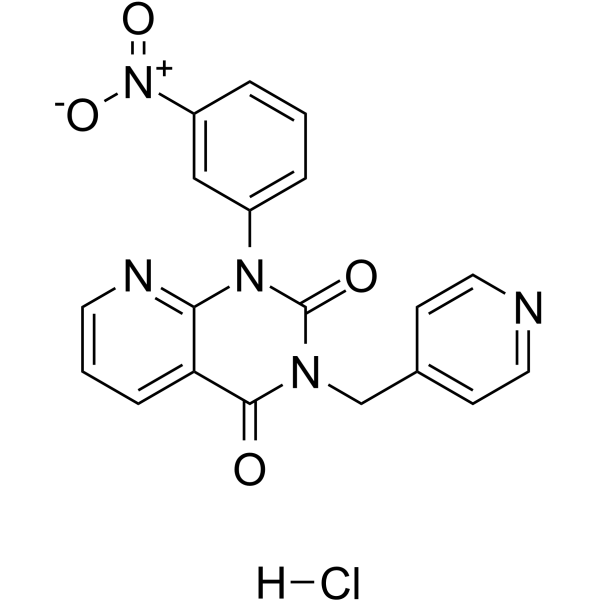 0 ImagesRS-25344 hydrochloride is a selective cAMP-phosphodiesterase 4 (PDE 4; PDE IV) inhibitor with an IC50 of 0.28 nM in human lymphocytes. RS-25344 hydrochloride has only weak inhibitory effects on PDE I, II, III (IC50 of >100 μM, 160 μM, 330 μM, respectively). RS-25344 hydrochloride has anti-inflammatory, memory- and cognition enhancing, and antineoplastic effects.
-
Ayanin
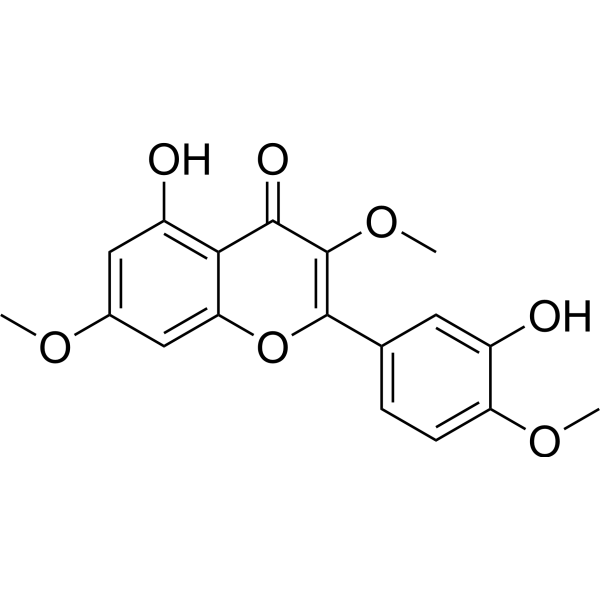 0 ImagesAyanin is a bioflavonoid isolated from Psychotria serpens. Ayanin is a non-selective phosphodiesterase1-4 inhibitor and can be used for the study of respiratory disease,such as allergic asthma et al.



